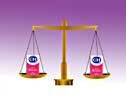
Soluble Fiber as related
to Glucose Metabolism:
Very noteworthy for type 2 diabetics
• Soluble
fiber helps to keep insulin levels stabilized.
• Using fiber to help keep insulin levels stable helps to prevent
secondary problems during any infectious period, and also facilitates
the healing process.
• Soluble fiber helps the body handle changes in blood-sugar
levels.
• A high caloric, sugary, low-fiber meal is absorbed quickly
into the blood and causes a surge in blood-sugar levels. Soluble fiber
moderates that post prandial rise in blood glucose
• Fiber slows down the transit time through the digestive tract.
All fibers come from plants (fruits/vegetables). All fruits and vegetables contain simple and or complex carbohydrates and contribute additional calories. As an example: Each soluble fiber gram from oatmeal is equated to 75 additional calories.
FiberWater is an ideal way to increase one's fiber consumption without the additional calories and carbohydrates, while simultaniously meeting ones hydration requirements.
For Diabetics:
Type-2, diabetes mellitus, is the most common form of diabetes. It is caused by the body's inability to burn off dietary sugars (simplified).
Fiber
can help diabetes-prone individuals in a number of ways:
• First it helps control obesity, because the more fat the body
has, the more insulin it needs to control glucose.
• Secondly, fiber inhibits or slows down the rate of sugars
contained in foods-especially soluble fiber-and slows down the absorption
of glucose from the small intestine.
• Soluble fiber helps rid the body of built-up excess cholesterol,
which forms plaque in the arteries. This is very important for diabetics
who are at greater risk for stroke and heart disease.
• For diabetics, fiber can reduce insulin requirements, improve
glycemic control, lower cholesterol and triglyceride values, and promote
weight loss.
|
LINKS
|
 1712 So. Barrington Suite 4 |
Los Angeles, CA 90025 | Email:
1712 So. Barrington Suite 4 |
Los Angeles, CA 90025 | Email: